

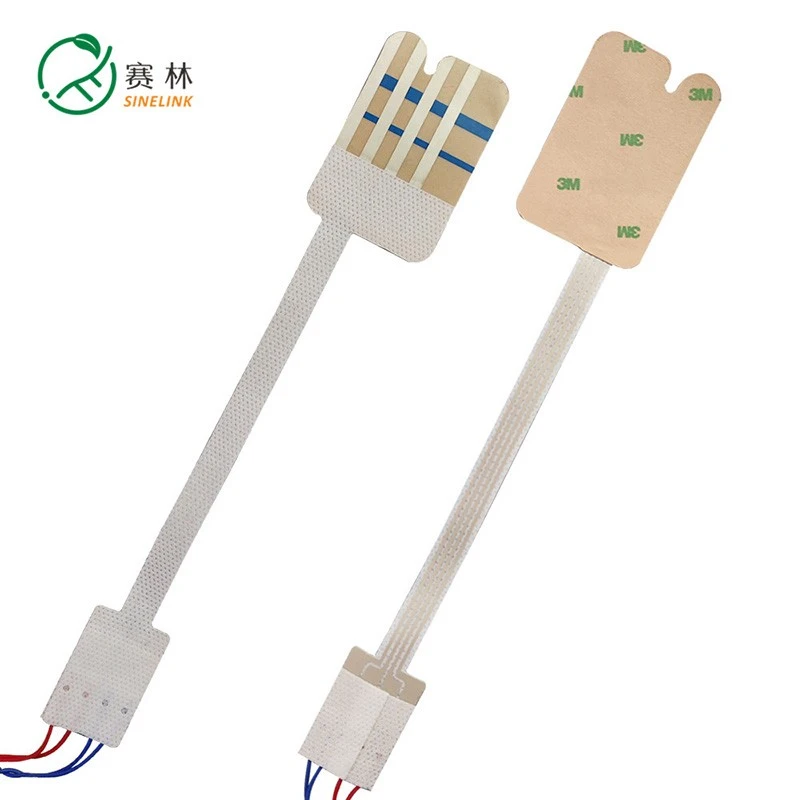

Channel Laryngeal Surface Electrode
Each laryngeal surface electrode produced by Sinelink has been strictly inspected and packaged independently after sterilization. It can be combined with needle electrodes, stimulation probes, etc. to form a medical package. Currently, there are two sizes available: 6.0-7.5mm and 8.0-9.5mm.
Disposable EMG Laryngeal Electrodes
Introduction
The 2-Channel Laryngeal Surface Electrode is a specialist tool that is used in medical operations to stimulate and monitor the muscles and nerves of the larynx. Due to its two independent channels, it may capture electrical activity from various places at once, allowing for a more thorough and precise evaluation of laryngeal function.
Cables, connectors and electrodes are all customizable
Specification
|
Model |
Channel |
E.T. tube Diameter |
Cable length |
|
82019250032 |
2 |
6.5-7.0MM |
2.5m |
|
82019250121 |
2 |
8.0-9.5mm |
2.5m |
|
Sterilization |
ED (Irradiation sterilization) within 10,000pcs |
||
|
Validity |
3 years with complete packing |
||
Features and application
Key Features
1). High Sensitivity and Accuracy
Precision Monitoring: The electrode provides high sensitivity and accurate detection of laryngeal muscle activity and nerve function.
Signal Quality: Ensures clear and reliable signal transmission, essential for accurate diagnostics and monitoring.
2). Ergonomic Design
Flexible and Thin: Designed to conform to the contours of the larynx, ensuring patient comfort and optimal contact.
Ease of Placement: Facilitates easy and secure attachment to the laryngeal surface, minimizing patient discomfort.
3). Compatibility
Universal Connectivity: Compatible with most standard electromyography (EMG) and nerve monitoring systems, allowing for versatile use across different medical setups.
4). Durability and Safety
Medical-Grade Materials: Made from biocompatible, medical-grade materials to ensure safety and minimize the risk of irritation or infection.
Sterilizable: Can be sterilized using standard medical sterilization procedures, ensuring hygiene and reducing the risk of cross-contamination.
5). Versatility
Multiple Sizes and Configurations: Available in various sizes and configurations to accommodate different anatomical requirements and clinical needs
Applications
1). Surgical Monitoring
Thyroid and Parathyroid Surgery: Used to monitor the recurrent laryngeal nerve (RLN) during thyroid and parathyroid surgeries to prevent nerve damage and preserve vocal function.
Head and Neck Surgery: Provides real-time feedback on laryngeal nerve activity, aiding surgeons in avoiding nerve injury during complex procedures.
2). Diagnostic Procedures
Electromyography (EMG): Assists in diagnosing conditions affecting the laryngeal muscles and nerves by measuring electrical activity.
Voice Disorders: Evaluates laryngeal muscle function in patients with voice disorders, aiding in diagnosis and treatment planning.
3). Therapeutic Interventions
Nerve Stimulation: Used in therapeutic settings to stimulate laryngeal muscles and nerves, promoting recovery and improving muscle function in patients with laryngeal paralysis or paresis.
Rehabilitation: Plays a role in the rehabilitation of patients with vocal fold immobility, enhancing outcomes through targeted muscle stimulation.
Research
Clinical Research: Employed in research studies to investigate laryngeal muscle and nerve function, contributing to advancements in otolaryngology and related fields.
Drug Trials: Utilized in clinical trials to monitor the effects of drugs on laryngeal nerve and muscle activity.
Details


Packaging
After EO sterilization/ED (Irradiation sterilization) , individually packaged.
FAQ
Q: How does a laryngeal surface electrode work?
Q: What are the benefits of using a laryngeal surface electrode?
High Sensitivity and Accuracy: Enables accurate tracking of nerve and muscle activity in the larynx.
Non-Invasive: Made to be applied externally to the larynx to lessen discomfort for the patient.
Real-time monitoring makes it possible to continuously evaluate medical and surgical treatments.
Composed of medical-grade materials that are safe and reduce the chance of irritation or infection, ensuring biocompatibility.
Versatility: Fit for a range of uses, such as therapy, diagnosis, and surgery.
Q: What are the potential complications of using a laryngeal surface electrode?
Rarely, skin irritation may occur at the electrode location.
Misplacement: Inaccurate measurements or signal loss could arise from improper positioning.
Infection: Although it is rare with regular sterilization procedures, there is a danger of infection if the electrode is not adequately sanitized.
Hot Tags: Sterilized IONM 2 Channel Laryngeal Surface Electrode for ET Tube Laryngeal surgery, China Sterilized IONM 2 Channel Laryngeal Surface Electrode for ET Tube Laryngeal surgery manufacturers, suppliers, factory, disposable iom laryngeal electrode, laryngeal surface electrodes, ionm accessories, laryngeal electrode tube, emg signal recording laryngeal electrode, et tube electrodes