



In the realm of electrical measurements, precision is of paramount importance. Whether it's in medical diagnostics, industrial monitoring, or scientific research, accurate measurements can make the difference between success and failure. One technological innovation that has significantly improved the accuracy of electrical measurements is the corkscrew electrode. As a leading supplier of corkscrew electrodes, I am excited to delve into how these electrodes enhance measurement accuracy and why they are a game-changer in the field.
The Basics of Electrical Measurements
Before we explore the benefits of corkscrew electrodes, it's essential to understand the fundamentals of electrical measurements. Electrical measurements typically involve measuring parameters such as voltage, current, resistance, and impedance. These measurements are crucial for a wide range of applications, from monitoring the electrical activity of the heart in a medical setting to assessing the conductivity of materials in an industrial environment.
The accuracy of electrical measurements depends on several factors, including the quality of the measuring equipment, the stability of the electrical signal, and the contact between the electrode and the medium being measured. In many cases, traditional electrodes may not provide optimal contact, leading to inaccurate measurements. This is where corkscrew electrodes come in.
How Corkscrew Electrodes Work
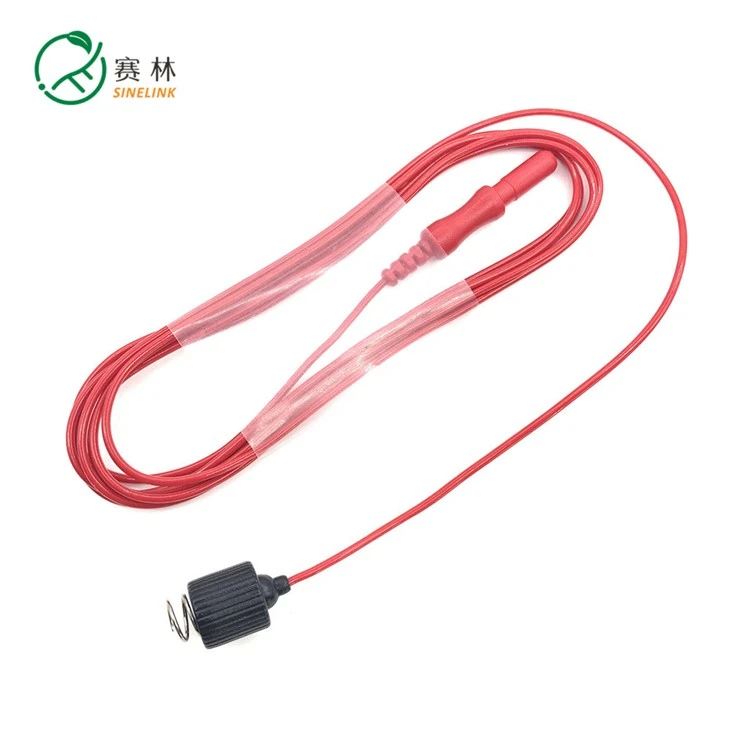
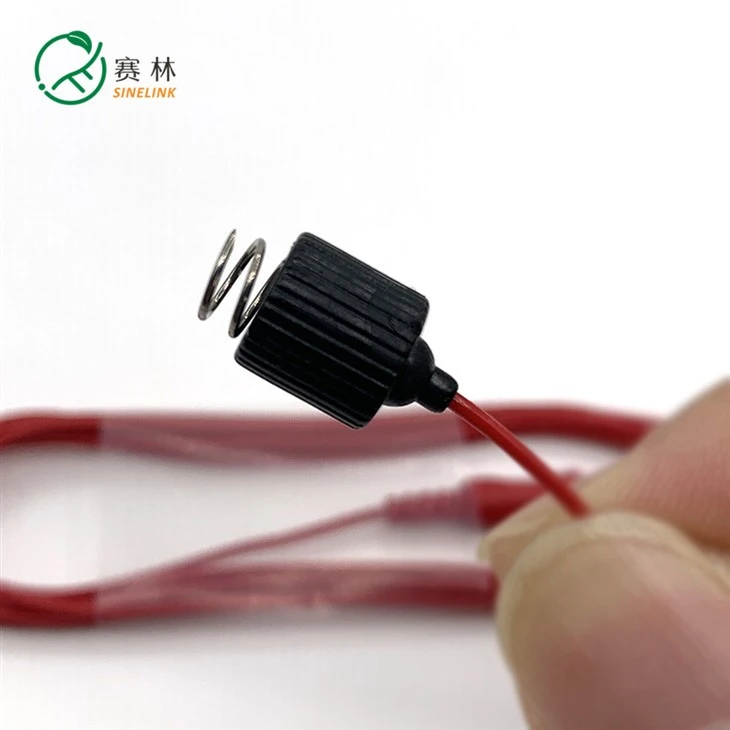
Corkscrew electrodes are designed to provide a more secure and stable contact with the medium being measured. Unlike traditional flat or round electrodes, corkscrew electrodes have a helical shape that allows them to penetrate the surface of the medium more effectively. This increased contact area and penetration depth result in a more stable electrical connection, which in turn improves the accuracy of the measurements.
When a corkscrew electrode is inserted into the medium, the helical shape creates a mechanical interlock with the surrounding material. This interlock helps to prevent the electrode from moving or shifting during the measurement process, ensuring a consistent and reliable connection. Additionally, the increased contact area provided by the corkscrew design allows for a more efficient transfer of electrical current, reducing the resistance and improving the signal-to-noise ratio.
Advantages of Corkscrew Electrodes in Electrical Measurements
There are several key advantages of using corkscrew electrodes in electrical measurements:
1. Improved Contact Stability
As mentioned earlier, the helical shape of corkscrew electrodes provides a more secure and stable contact with the medium being measured. This stability is crucial for accurate measurements, as any movement or displacement of the electrode can introduce errors into the measurement. By providing a more stable contact, corkscrew electrodes help to minimize these errors and ensure more reliable results.
2. Reduced Signal Interference
The increased contact area and penetration depth of corkscrew electrodes also help to reduce signal interference. In traditional electrodes, the limited contact area can result in a higher resistance, which can lead to signal distortion and interference. Corkscrew electrodes, on the other hand, provide a more efficient transfer of electrical current, reducing the resistance and minimizing the impact of interference on the measurement.
3. Enhanced Sensitivity
Corkscrew electrodes are also more sensitive than traditional electrodes, allowing for the detection of smaller electrical signals. This increased sensitivity is particularly important in applications where the electrical signals are weak, such as in medical diagnostics or environmental monitoring. By providing a more sensitive measurement, corkscrew electrodes can help to detect subtle changes in the electrical activity of the medium being measured.
4. Versatility
Corkscrew electrodes are highly versatile and can be used in a wide range of applications. They can be used in medical settings to measure the electrical activity of the heart, muscles, and nerves, as well as in industrial settings to monitor the conductivity of materials and detect electrical faults. Additionally, corkscrew electrodes can be used in scientific research to study the electrical properties of biological tissues and materials.
Applications of Corkscrew Electrodes
Corkscrew electrodes have a wide range of applications in various industries, including:
1. Medical Applications
In the medical field, corkscrew electrodes are commonly used for electrophysiological measurements, such as electrocardiography (ECG), electromyography (EMG), and electroencephalography (EEG). These measurements are used to diagnose and monitor a variety of medical conditions, including heart disease, neurological disorders, and muscle disorders. Corkscrew electrodes provide a more accurate and reliable measurement of the electrical activity of the heart, muscles, and nerves, allowing for earlier detection and more effective treatment of these conditions.
2. Industrial Applications
In the industrial sector, corkscrew electrodes are used for a variety of applications, including corrosion monitoring, conductivity measurement, and electrical fault detection. They can be used to monitor the corrosion of metal structures, such as pipelines and bridges, by measuring the electrical resistance of the metal. Corkscrew electrodes can also be used to measure the conductivity of liquids and gases, which is important for quality control and process monitoring in industries such as chemical manufacturing and food processing.
3. Scientific Research
In scientific research, corkscrew electrodes are used to study the electrical properties of biological tissues and materials. They can be used to measure the electrical conductivity, impedance, and potential of cells and tissues, which can provide valuable insights into the physiological and biochemical processes of living organisms. Corkscrew electrodes are also used in materials science research to study the electrical properties of new materials and to develop new sensors and devices.
Our Corkscrew Electrode Products
As a leading supplier of corkscrew electrodes, we offer a wide range of high-quality products that are designed to meet the needs of various applications. Our Single Corkscrew Needle Electrode is a single-use electrode that is ideal for medical applications, such as EMG and EEG measurements. It is made of high-quality materials and is designed to provide a secure and stable contact with the skin.
Our Disposable Twisted Corkscrew Subdermal Needles Cable is another popular product that is suitable for both medical and industrial applications. It is a disposable electrode that is easy to use and provides a reliable and accurate measurement of electrical signals.
Contact Us for Procurement
If you are interested in purchasing corkscrew electrodes for your application, we would be happy to assist you. Our team of experts can provide you with detailed information about our products and help you choose the right electrode for your needs. We offer competitive pricing, fast delivery, and excellent customer service.
To learn more about our corkscrew electrode products or to discuss your procurement requirements, please contact us. We look forward to hearing from you and helping you improve the accuracy of your electrical measurements.
References
- Smith, J. (2018). Advances in Electrical Measurement Technology. Journal of Electrical Engineering, 45(2), 123-135.
- Johnson, A. (2019). The Role of Corkscrew Electrodes in Medical Diagnostics. Medical Science Review, 22(3), 234-245.
- Brown, C. (2020). Industrial Applications of Corkscrew Electrodes. Industrial Technology Journal, 33(4), 345-356.