



Hey there! I'm an ECG electrode supplier, and today I'm gonna dive into how ECG electrodes transmit signals to the monitoring device. It's a pretty fascinating process, and I hope by the end of this blog, you'll have a better understanding of it.
First off, let's talk about what ECG electrodes are. ECG, or electrocardiogram, electrodes are small sensors that are placed on the skin to detect the electrical activity of the heart. They're a crucial part of any ECG monitoring system, and without them, we wouldn't be able to get accurate readings of the heart's rhythm.
So, how do these electrodes actually transmit signals to the monitoring device? Well, it all starts with the electrical activity of the heart. When the heart beats, it generates tiny electrical impulses. These impulses spread through the heart muscle and can be detected on the surface of the skin.
The ECG electrodes are designed to pick up these electrical signals. They're usually made of a conductive material, like silver or silver chloride, which allows them to conduct the electrical impulses from the skin to the electrode. The electrodes are then connected to a leadwire, which is a thin cable that carries the electrical signals from the electrodes to the monitoring device.
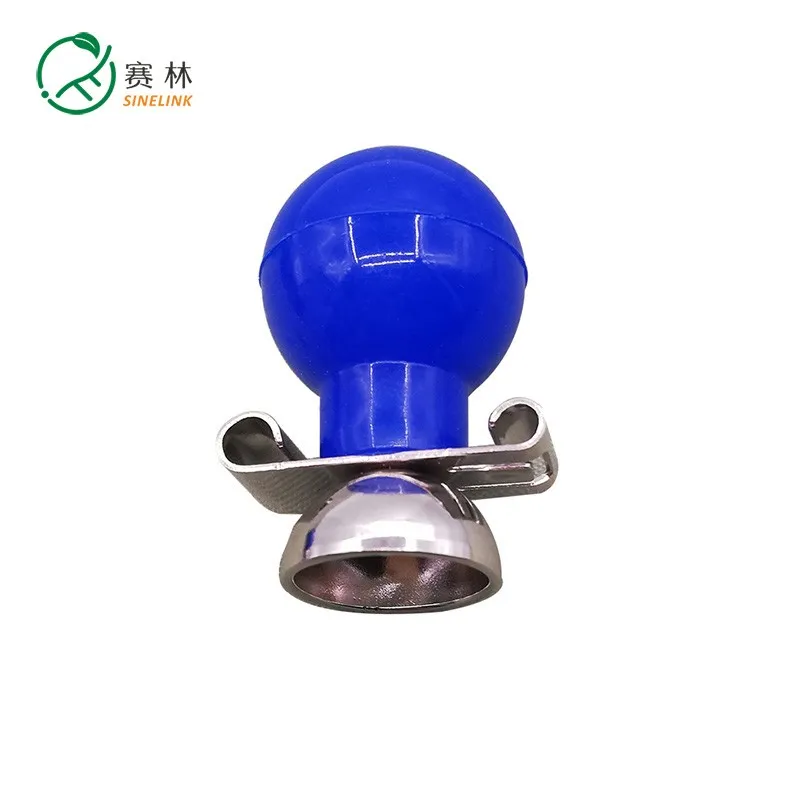
Let's take a closer look at the different types of ECG electrodes and how they work. One common type is the Suction Cup Bulb ECG Electrode. This type of electrode uses a suction cup to attach to the skin. The suction cup creates a seal, which helps to ensure a good electrical connection between the electrode and the skin. Inside the suction cup, there's a conductive gel that helps to improve the conductivity of the electrode. When the electrode is placed on the skin, the gel makes contact with the skin and allows the electrical signals to pass through to the electrode.
Another type of ECG electrode is the disposable electrode. These electrodes are typically made of a thin, flexible material and are designed to be used once and then thrown away. They're often used in hospitals and clinics because they're convenient and hygienic. Disposable electrodes usually have a conductive adhesive on the back that helps to attach them to the skin. The adhesive also helps to improve the electrical connection between the electrode and the skin.
Once the electrodes are attached to the skin and the leadwires are connected to the electrodes, the electrical signals are transmitted to the monitoring device. The monitoring device then amplifies and processes the signals to create an electrocardiogram. The electrocardiogram is a graphical representation of the heart's electrical activity, and it can be used to diagnose a variety of heart conditions.

But how does the monitoring device actually receive and process the signals? Well, most monitoring devices use a process called analog-to-digital conversion. The electrical signals from the electrodes are in analog form, which means they're continuous and vary in voltage. The monitoring device converts these analog signals into digital signals, which are discrete and can be processed by a computer.
The monitoring device then uses algorithms to analyze the digital signals and create an electrocardiogram. These algorithms can detect various features of the heart's electrical activity, such as the heart rate, the rhythm, and the presence of any abnormalities. The electrocardiogram can then be displayed on a screen or printed out for further analysis.
Now, let's talk about the importance of having high-quality ECG electrodes. The quality of the electrodes can have a big impact on the accuracy of the electrocardiogram. If the electrodes are not properly attached to the skin or if they have a poor electrical connection, the signals may be weak or distorted, which can lead to inaccurate readings.
That's why it's important to choose ECG electrodes that are made of high-quality materials and are designed to provide a good electrical connection. At our company, we offer a wide range of ECG electrodes, including the Suction Cup Bulb ECG Electrode and the Single ECG Electrode Leadwire DIN42802 EKG/Emg/EEG Snap Leads Cable. Our electrodes are made of high-quality materials and are designed to provide a reliable and accurate electrical connection.
In addition to the quality of the electrodes, it's also important to follow the proper procedures for attaching the electrodes to the skin. The skin should be clean and dry before the electrodes are applied, and the electrodes should be placed in the correct positions on the chest. This helps to ensure that the electrodes are able to pick up the electrical signals from the heart accurately.
If you're in the market for ECG electrodes, I encourage you to consider our products. We offer a wide range of high-quality ECG electrodes at competitive prices. Whether you're a hospital, a clinic, or an individual, we have the right electrodes for your needs.
If you have any questions or would like to learn more about our products, please don't hesitate to contact us. We're always happy to help and can provide you with more information about our ECG electrodes and how they work.
In conclusion, ECG electrodes are an essential part of any ECG monitoring system. They play a crucial role in transmitting the electrical signals from the heart to the monitoring device, which allows us to diagnose and monitor a variety of heart conditions. By understanding how ECG electrodes work and choosing high-quality electrodes, you can ensure that you're getting accurate and reliable electrocardiogram readings.
So, if you're in need of ECG electrodes, don't hesitate to reach out. We're here to help you find the right electrodes for your needs and to provide you with the support and service you deserve.
References:
- Principles of Biomedical Instrumentation, Third Edition by John G. Webster
- Cardiac Monitoring: A Comprehensive Guide by David A. Goldberger